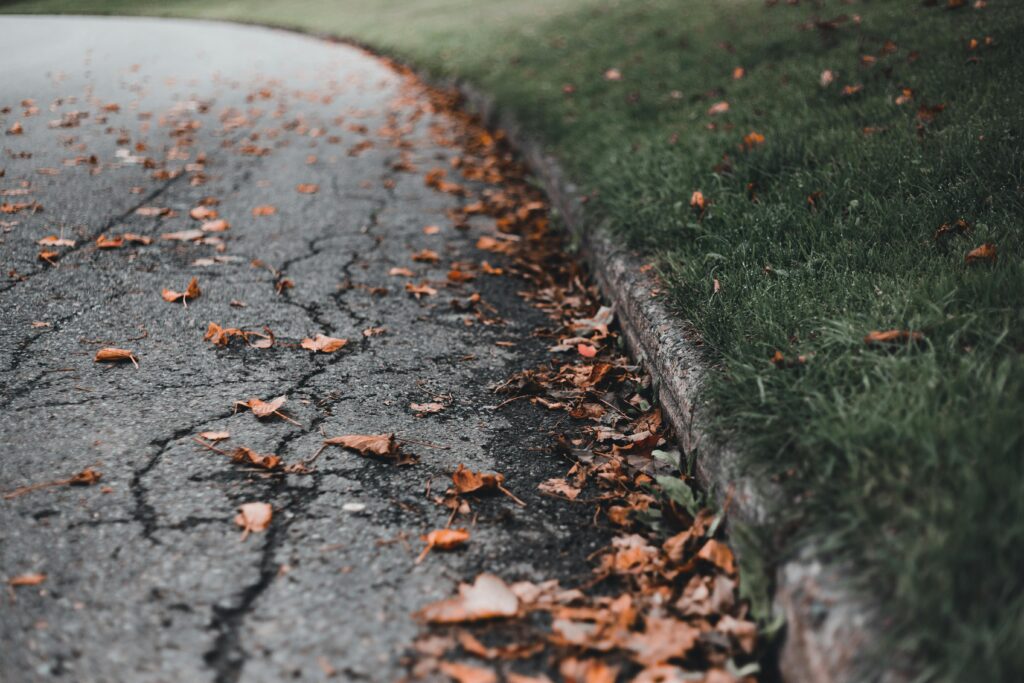
When your driveway gets a makeover, you want it to retain its great look for as long as possible. Unfortunately, pavement can fail for a variety of reasons, such as design and material deficiencies, drainage issues, soil composition, and more.
We at P&M Paving want you to have the best driveway and other paved surfaces possible, so we’ve compiled this guide to pavement failures, how to address them, and how to prevent them from happening in the first place.
1. Improper Drainage
Water that pools on the top of a paved surface, as well as that which collects underground, can do serious damage to pavement. Water above ground leads to surface deterioration, while subsurface water wears down the pavement’s subgrade and subbase materials, affecting the integrity of its foundation. Underground water can originate from springs or the soil surrounding a paved structure, while cracks and joints in the pavement can give space for water to take hold.
To avoid these issues for new and existing pavement, you should ensure you have a proper drainage system put into place by a professional, and that all cracks and joints are sealed to ward off water.
2. Deficient Soil
Since your pavement will be resting atop the surface of existing soil, you need to ensure that that surface is well equipped to do the job and will not lead to troublesome issues. Soils that feature sand, gravel, and clay are hardy and can be viable options, but not every soil type is up to the task.
Weaker soil types, like topsoil and peat, will usually be removed prior to the installation of pavement. Other soils may be prone to accumulating moisture and thus will require an effective drainage system. When you select a team for your pavement work, you will want to ask them about your soil type and what will be required to ensure your pavement can have a long, useful life.
3. An Underground Cavity
Sometimes, an area underneath pavement can begin to form a cavity or void, affecting the surface above. While many homeowners and business owners could understandably be concerned about the possibility of a sink hole forming, this is not often the case.
Usually, these cavities are localized and fixable. They often result from leakage from a pipe, leading to an increase in water in a fixed spot, which quickly creates the hole. Ultimately, a worthwhile drainage system can help to prevent such issues, but if one has already come about the best course is to correct the damage and then get to work determining an approach for drainage.
4. Traffic
Pavement is designed to handle the weight of traditional traffic, but heavier vehicles, like trucks, buses, and different types of construction equipment, can really do a number on paved surfaces, creating cracks and damage due to excessive weight.
The best course of action is to not allow these types of vehicles to be on your property if at all possible, but if you do anticipate construction work then your contracted workers should bring concrete pads to avoid damage. If your property will likely receive bus, truck, and construction vehicle traffic on a regular or semi-regular basis, then you will need to install a more robust paving system designed for them.
5. Poor Materials
Pavement can feature a mix of materials and at different quantities for each component, meaning that some mixtures might not be up to a given task. Some mixtures will bind together well, while others can result in failure, leading to cracks and other issues.
To avoid these problems, you will need to work with a company well-versed in material types and what is most fitting for a given situation. Have a discussion with your team, and review their previous work and reviews, to ensure you’ve picked the right crew for the job.
6. Poor Design
A bad pavement design can lead to numerous problems we’ve already covered, including damage from vehicles due to pavement thinness, cracks and cavities due to no or improper drainage, or material integrity issues due to soil concerns not being addressed.
Ultimately, you need to ensure you are working with a reputable company who will know how to mitigate or remove common problems so that the integrity of your pavement remains intact.
Pavement Damage to Watch For
There is a variety of pavement issues that can develop over time, with some of the most prominent examples including:
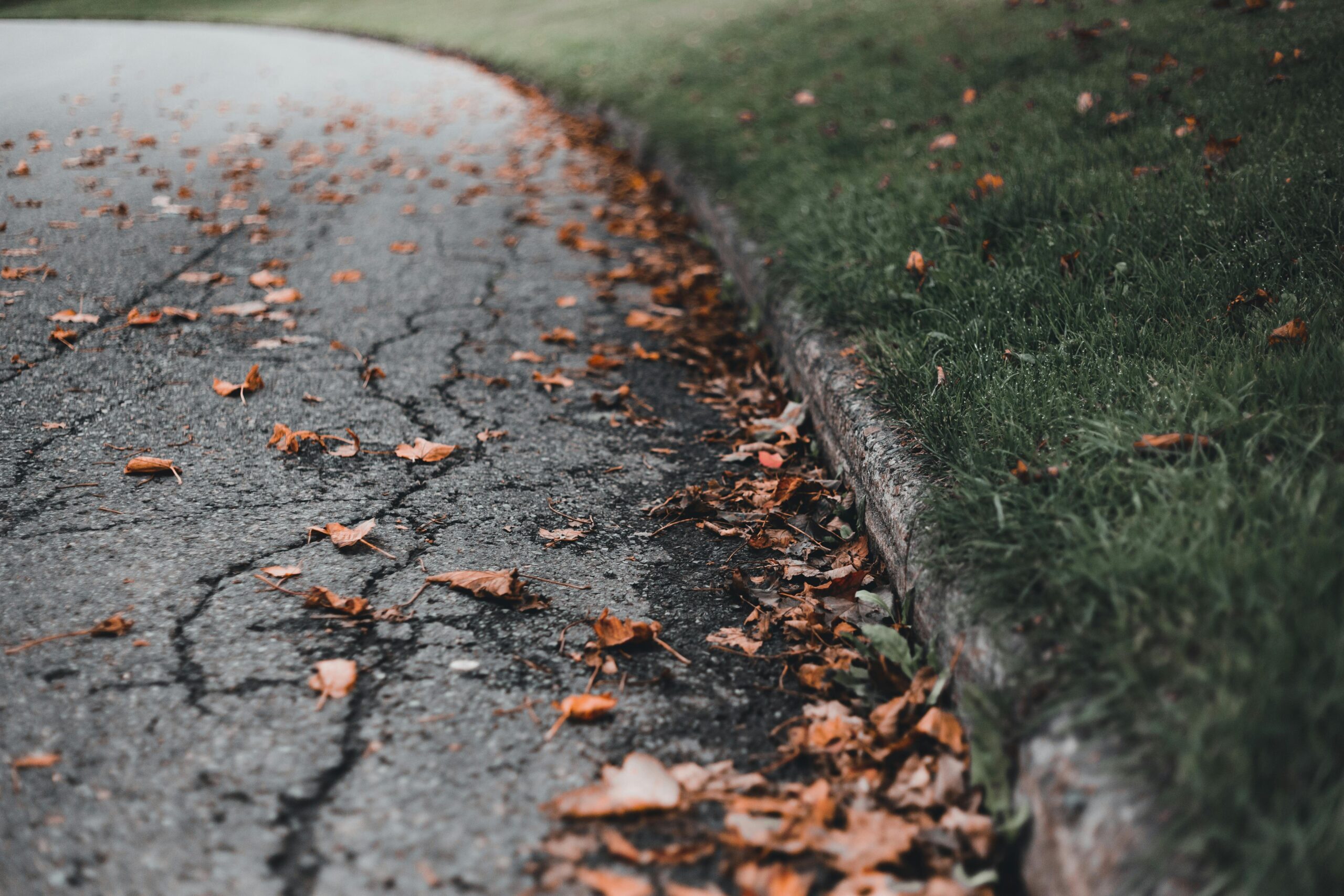
- Alligator cracking – A variety of small cracks resembling scales
- Lineal cracking – Lines running parallel to the pavement’s laydown direction
- Block cracking – Cracks that form into rough rectangular shapes
- Edge cracking – Small cracks along the side of pavement
- Slippage cracking – Crescent-shaped cracks formed due to improper layer bonding
- Transverse cracking – Single cracks running perpendicular to the pavement’s laydown direction
- Depressions – Dipped pockets in pavement that can fill with water
- Rutting – Channeled depressions brought about from wheel weight and traffic
- Joint reflection cracking – Cracks that form over the pavement’s joints
- Potholes – Bowl-shaped cavities that often follow the emergence of alligator cracking. Depending on the season and budget, you may need to decide between hot asphalt vs. cold patch for the repair.
- Upheaval – Cracks formed from a swelling subgrade
- Shoving – Ripples in pavement caused by excess materials or a soft or weak composition
- Raveling – Pock marks that form on a pavement’s surface
Have a Pavement Project on the Horizon? Contact Us!
At P&M Paving, we’re experts at both residential and commercial paving work, providing driveways, resurfacing, parking lot installation and repair, and much more in the Pittsburgh area. If you’re looking to give your property a fresh start, reach out to our team today and we can get to work!