- Hot mix asphalt is the premier choice for superior durability and a permanent, high-quality repair on driveways, parking lots, and roads.
- Cold patch asphalt serves primarily as a temporary, immediate fix, particularly effective for emergency repairs in cold or wet weather when hot mix is unavailable.
- Successful hot mix application requires professional expertise, specialized equipment, and adherence to specific weather conditions, resulting in long-term structural integrity.
Choosing Longevity Over Convenience for Asphalt Repair
Facing a pothole or crack in your pavement? The repair method you choose today will determine whether you’re back fixing it again next month or enjoying years of maintenance-free pavement. While cold patch asphalt tempts property owners with its low upfront cost and DIY appeal, hot mix asphalt delivers the permanent solution that saves money over time.
When examining cold patch vs. hot patch asphalt, the primary difference lies in the durability of each material type. Hot mix asphalt is designed for long-term use on structural pavement, while cold mix offers a temporary, surface-level fix.
Another distinction comes about from the means of preparation. Hot mix asphalt has to be heated to high temperatures to be effective – around 300° F – with this taking place at a facility equipped to do so. Cold mix, meanwhile, comes in pre-mixed bags that are ready to be used when needed.
Hot patch for permanence, cold patch for emergencies.
Choosing between hot patch and cold patch ultimately comes down to the size of a given job, the longevity needed for a repair, the current weather, the equipment available, and more.
Why Hot Mix Is the Gold Standard for Permanent Pavement Repairs
Hot mix asphalt is often chosen for many paving jobs because:
- ✓ The material is highly flexible and malleable, allowing it to bear temperature fluctuations without suffering cracking
- ✓ It’s weather resistant, being able to stand up to the elements, while melting snow and ice via heat absorption
- ✓ Due to being heated, the material bonds easily with existing asphalt surfaces, making for a seamless, cohesive repair
- ✓ It’s trusted by governments, municipalities, and major companies, being the primary approach for paving jobs on highways and major roads
The True Cost of Quality: Durability and Traffic Management
Cost often plays a factor when deciding between two options, and the hot patch vs. cold patch asphalt debate is no exception. While cold patch may be more attractive initially due to its lower upfront cost, hot patch’s superior long-term value really makes it shine.
Hot patch can handle heavy traffic and loads like those of major throughways and parking lots, rarely requires reapplication or frequent replacement, and will hold up for years throughout the seasons. Cold patch simply can’t match these aspects, as it lacks the structural integrity to endure, especially in high-traffic areas.
Cold Patch Asphalt: The Emergency Stopgap
All of this is not to say that cold patch asphalt has no place in projects – it just has to be the right application.
- ✓ Since cold patch asphalt is non-heated and designed specifically for temporary or emergency repairs, it’s often used in the winter months to prevent problems from getting worse until hot asphalt can be applied in the warmer months
- ✓ When outside temperatures are low – beneath 40° F – many hot asphalt plants aren’t operating or available, making temporary cold patch repairs the only viable option
- ✓ Cold patch comes in pre-mixed bags that are readily available, requires only basic hand tools for application, and permits traffic to resume immediately
- ✓ Cold patch can be applied in any weather, including rainy and freezing conditions, making it suitable year round
The Limitations of Cold Mix
Cold patch asphalt is temporary by design, and it will not bond fully with existing asphalt the way that hot patch does. And though it’s easy to use and apply, cold patch, as noted above, does not have the longevity of hot patch, meaning more replacements and repairs will be needed.
Heavy traffic environments are not suited for cold patch asphalt. Areas with lighter traffic are ideal, but even then, cold patch will only endure for a few months.
We always let our customers know that cold patch is a stopgap, not a permanent fix, and that hot patch asphalt is the superior choice.
Maximizing Longevity with Hot Patch Paving
If you’ve opted for hot patch over cold patch, there are some best practices your team should engage in to ensure the best application and long-term performance:
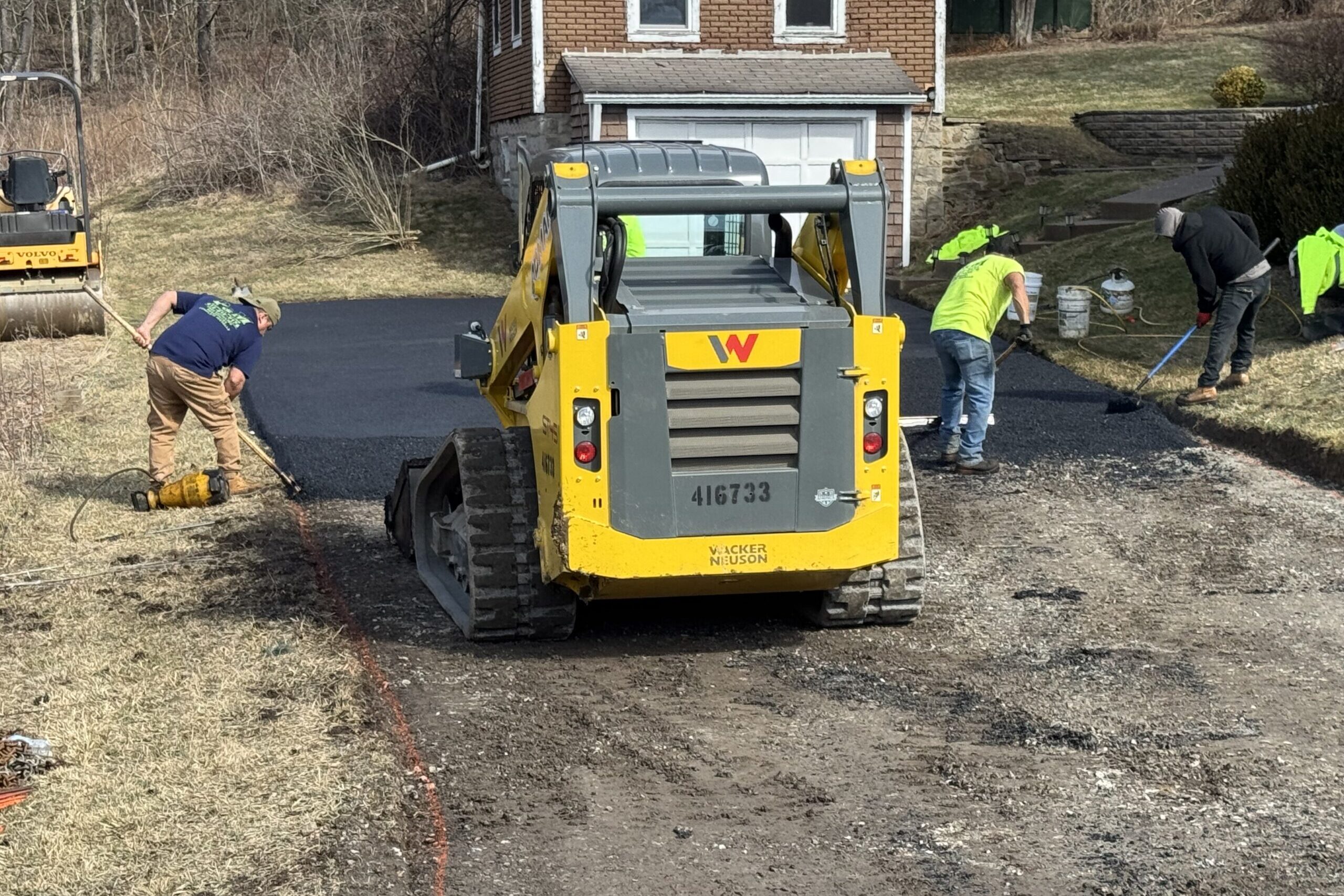
- ✓ Careful preparation should take place, with the damaged area being cleanly cut with a saw and all debris removed
- ✓ A tack coat should be applied to the surface before the hot patch to promote proper bonding
- ✓ The hot patch mix should be compacted into layers if significant depth is required
- ✓ Your surface should be sealcoated to protect the asphalt from damage, with new coatings added over time to prevent cracks and protect your investment
- ✓ You should get regular inspections, cleanings, drainage checks, and crack fixes, especially before winter weather approaches
FAQs on Hot Patch vs. Cold Patch Asphalt
What primary components are used to create hot mix asphalt?
Hot mix asphalt is produced by heating a combination of aggregate materials, such as gravel and sand, along with asphalt cement.
What factors, besides choosing hot mix, influence the longevity of a new asphalt pavement?
The durability and performance of the finished pavement are significantly impacted by the type of aggregate used in the mix, the thickness of the asphalt layer, and the quality of the base material underneath.
What is full depth reclamation or pulverization in the context of asphalt paving?
Full depth reclamation is an environmentally friendly paving method where the full depth of the existing asphalt and underlying materials are pulverized, blended, and transformed into a stabilized base course for new paving.
Contact Us for Asphalt Repair and Replacement in Pittsburgh
Don’t let a temporary cold patch solution cost you thousands in repeated repairs. P&M Paving’s team has delivered permanent hot mix asphalt solutions across Pittsburgh for years, and we’re ready to supply asphalt resurfacing, parking lot paving, asphalt patching, or anything else you need.
Contact us today and we can provide the best asphalt solutions for your project.